ASML's EUV monopoly faces new challenges as chip giants eye next-gen tech
Veldhoven, Monday, 25 November 2024.
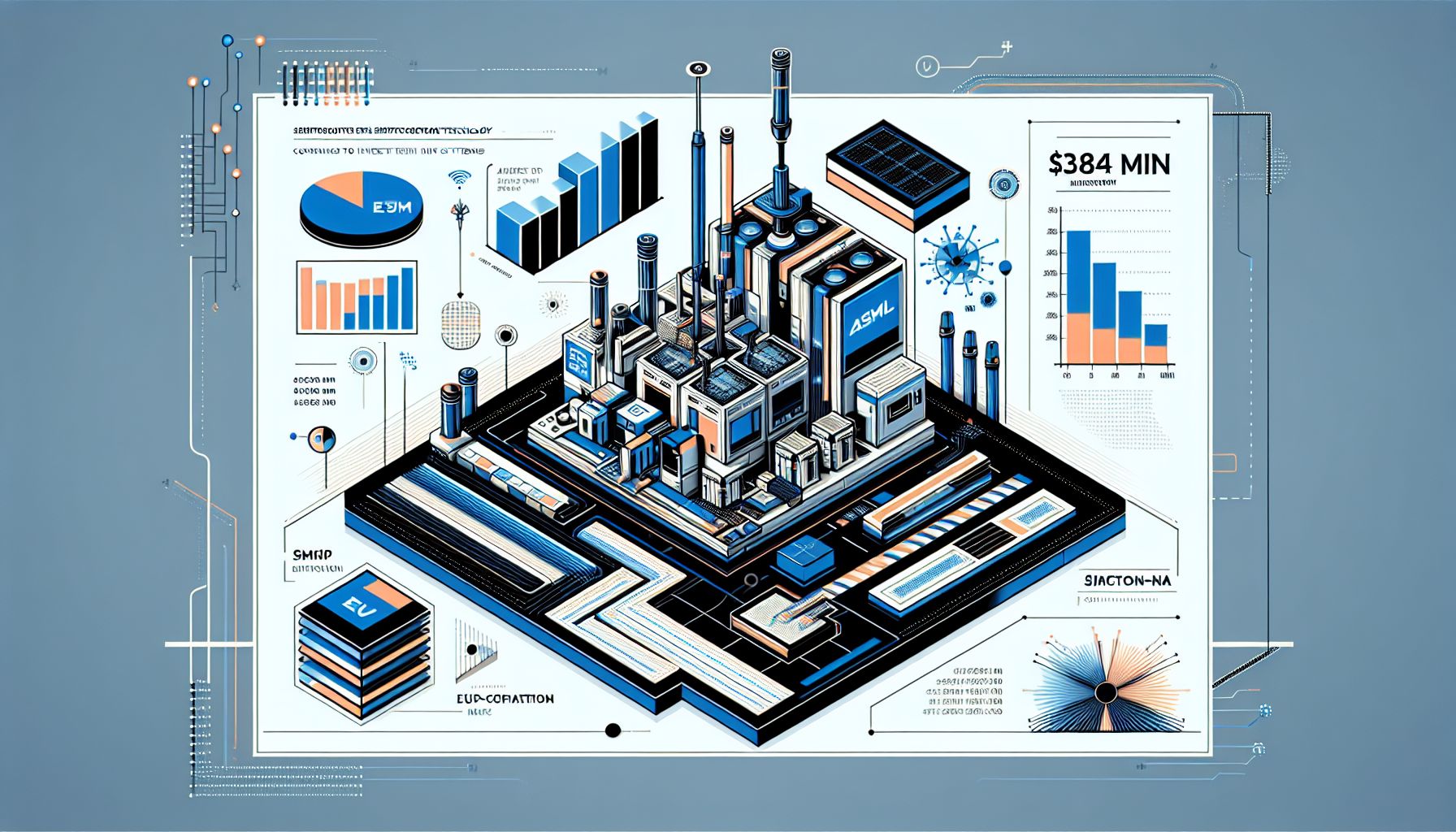
ASML, the sole producer of advanced chip-making equipment, faces mounting pressure as semiconductor manufacturers push toward sub-2nm processes. The Dutch tech giant’s dominance in extreme ultraviolet (EUV) lithography is being tested as companies like TSMC invest heavily in next-generation High-NA EUV systems. These machines, costing $384 million each, are crucial for advancing Moore’s Law beyond current limitations. While ASML remains the only supplier of this technology, the intense demand from AI chip production and global semiconductor competition is creating new market dynamics. TSMC’s aggressive adoption of High-NA EUV technology for its 1.4nm process node, planned for 2027, signals a critical shift in the industry’s technological landscape.
market implications for ASML
ASML’s position as the leader in EUV lithography is under scrutiny as it faces increased competition. The semiconductor industry is rapidly advancing, with manufacturers like TSMC pushing for High-NA EUV systems. This demand is partly driven by the need for more efficient AI chip production. Despite being the only supplier of EUV technology, ASML’s market position could be affected as other companies increase their investments. The company’s stock performance reflects this uncertainty, with a 19.15% decline over the past three months[1].
technological leadership
ASML’s technological edge in EUV systems is critical for maintaining its leadership. The company’s High-NA systems are essential for sub-2nm processes, a significant step in semiconductor advancement. TSMC’s integration of these systems into its roadmap underscores the technology’s importance. ASML’s continued innovation is necessary to stay ahead, particularly as the industry moves towards even smaller nodes. The advancement of High-NA technology could redefine industry standards, but ASML’s role as the sole provider of these systems offers a unique advantage.
order book outlook
ASML’s order book is expected to remain robust due to the high demand for EUV systems. As companies like TSMC and Samsung invest in sub-2nm process technologies, ASML’s equipment will be pivotal. The company reported a revenue of €26.24 billion in the trailing twelve months, highlighting strong financial performance[1]. However, the competitive landscape could impact future orders if rival technologies emerge. ASML’s ability to maintain its market share will depend on its ability to meet the growing demand and continue technological advancements.
expert perspectives
Market experts view ASML’s current challenges as both a risk and an opportunity. The company’s unique position as the sole EUV supplier gives it leverage, but it also faces pressure to innovate continuously. Analysts suggest that ASML’s future growth will depend on its capacity to expand production and keep pace with technological demands. The global semiconductor market’s projected growth, driven by AI and other emerging technologies, presents a significant opportunity for ASML to capitalize on its technological leadership[2].