bosch lands substantial chip subsidy from us
Washington, D.C., Tuesday, 17 December 2024.
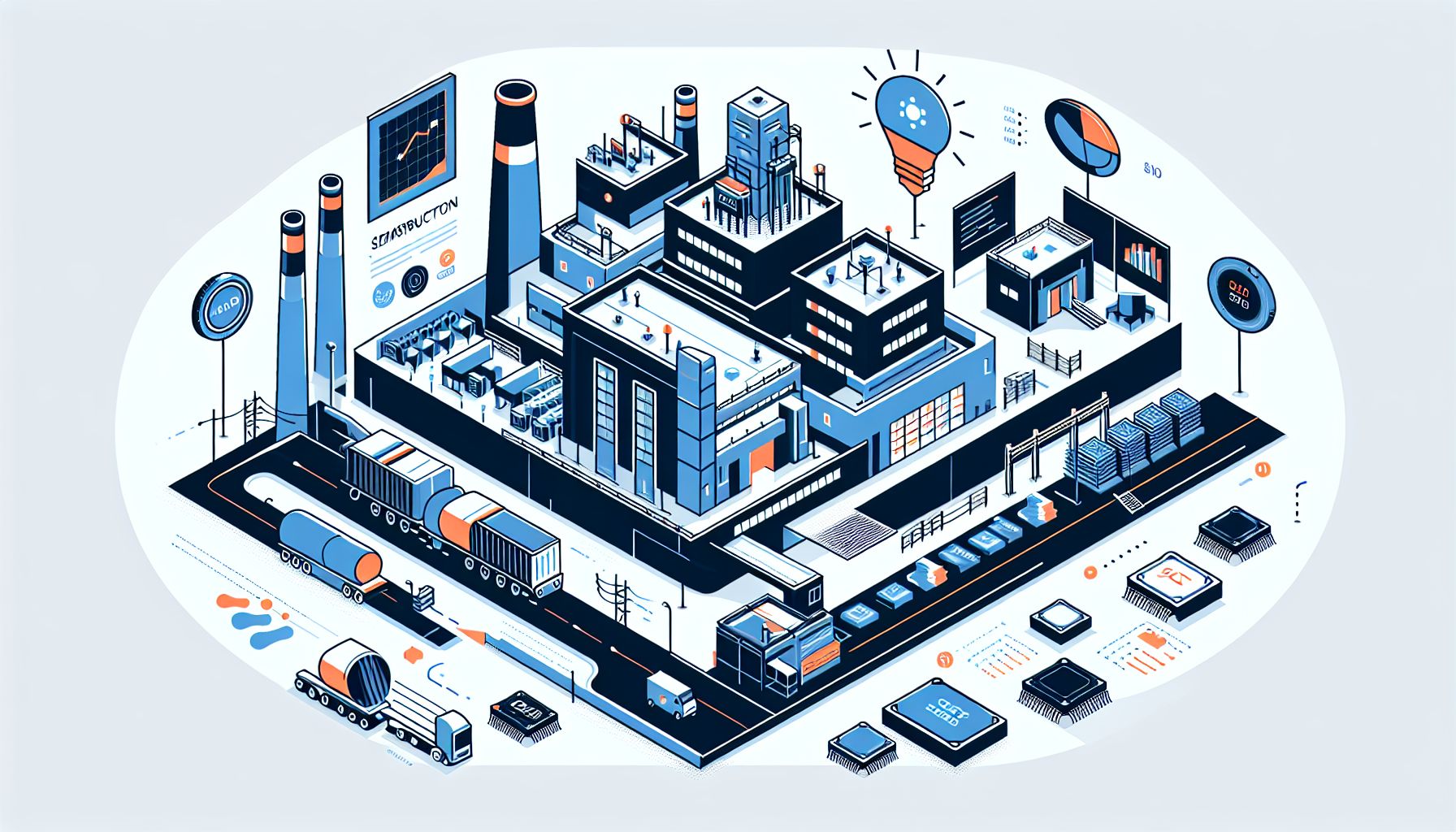
The Biden administration has approved a $225 million subsidy for Bosch under the CHIPS and Science Act. This funding aims to boost Bosch’s semiconductor production capabilities in the United States. The investment will support the transformation of Bosch’s Roseville, California facility into a silicon carbide semiconductor plant. This is part of a broader $1.9 billion project. The move is expected to create up to 1,700 jobs, including roles in construction, manufacturing, engineering, and research. The new facility will focus on producing silicon carbide chips, crucial for electric vehicles and other technologies. Bosch plans to start production in 2026, potentially representing over 40% of U.S. silicon carbide manufacturing capacity. This investment aligns with the U.S. strategy to strengthen domestic chip production in response to global supply chain challenges.
Market impact and investment scale
The $225 million federal subsidy represents part of a larger 8.444 times leverage on government investment through Bosch’s total commitment of $1.9 billion [1][2][3]. The company’s strategic expansion comes with additional financial support, including a $25 million tax incentive from California [3]. Bosch plans to utilize the advanced manufacturing investment credit, which will cover 25% of qualified capital expenditures [3].
Strategic positioning in semiconductor market
As a leading tier-one automotive supplier, Bosch’s silicon carbide semiconductor production will be crucial for the electric vehicle industry [1]. The Roseville facility, acquired in August 2023, will become Bosch’s first semiconductor production site in the United States [3]. Upon reaching full capacity, the plant is expected to represent more than 40% of U.S.-based silicon carbide manufacturing capacity [1][3].
Global expansion and market competition
Bosch’s U.S. investment parallels its European semiconductor initiatives, where the company is part of a joint venture with TSMC, Infineon, and NXP in Dresden, Germany [4]. This global expansion strategy positions Bosch competitively in both European and American markets. The Dresden facility, representing an investment of over €10 billion, demonstrates Bosch’s commitment to expanding its semiconductor capabilities worldwide [4].